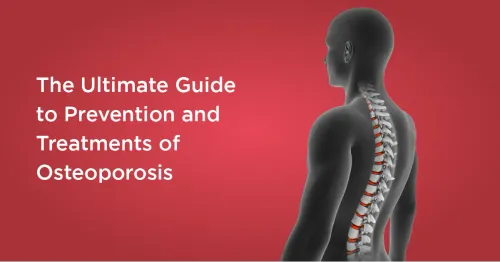
Osteoporosis Treatment
Osteoporosis is a condition that weakens bones, making them more likely to fracture. Early diagnosis and appropriate treatment can help strengthen bones, reduce fracture risk, and improve quality of life.
Treatment Options
1. Medications
Bone-strengthening medications help slow bone loss and increase bone density.
Your doctor may prescribe medications based on your age, bone density, fracture history, and overall health.
Regular follow-up is important to monitor treatment effectiveness.
2. Calcium & Vitamin D
Adequate calcium supports strong bones.
Vitamin D helps the body absorb calcium effectively.
Your healthcare provider may recommend supplements if dietary intake is insufficient.
3. Regular Exercise
Weight-bearing and muscle-strengthening exercises help:
Improve bone strength
Enhance balance and coordination
Reduce the risk of falls
Maintain flexibility and mobility
Examples include walking, stair climbing, resistance training, and balance exercises.
4. Healthy Lifestyle
Eat a balanced, calcium-rich diet.
Avoid smoking and limit alcohol intake.
Maintain a healthy body weight.
Get regular exposure to sunlight for natural vitamin D production (as appropriate).
5. Fall Prevention
Reducing the risk of falls is an essential part of osteoporosis management:
Keep living spaces free of clutter.
Use supportive footwear.
Install grab bars and adequate lighting at home.
Have regular vision and hearing check-ups.
When to See a Doctor
Consult a healthcare professional if you:
Experience a fracture after a minor fall.
Notice loss of height or a stooped posture.
Have persistent back pain.
Have a family history of osteoporosis or other significant risk factors.
Key Takeaway
With timely diagnosis, appropriate medication, proper nutrition, regular exercise, and healthy lifestyle habits, osteoporosis can be effectively managed. Early treatment helps maintain bone strength, prevent fractures, and support an active, independent life.
Keywords